
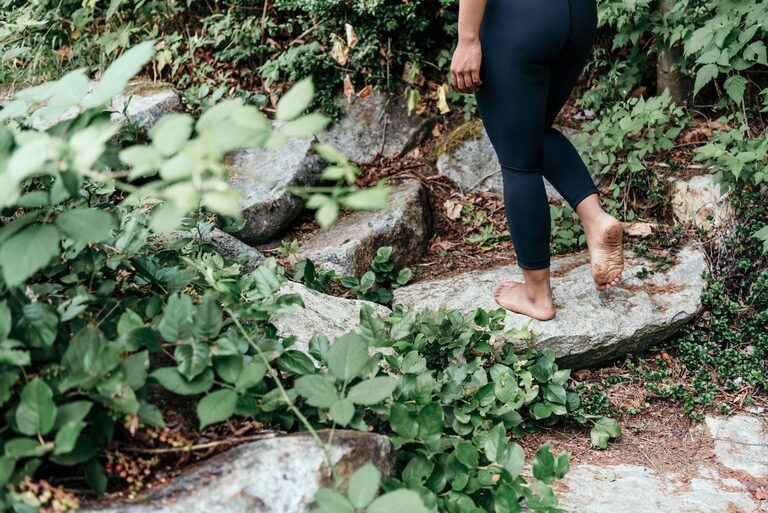
Mindful walking is an accessible and calming practice that anyone can integrate into daily life. By paying close attention to the experience of walking—each step, breath, and sensation—you can cultivate greater awareness, reduce stress, and connect more deeply with your surroundings. This beginner guide will introduce you to the concept of mindful walking, explain its benefits, and offer clear steps to get started.
What Is Mindful Walking?
Mindful walking is a form of meditation that involves focusing your attention on the physical act of walking. Unlike regular walking, where your mind may wander or focus on tasks ahead, mindful walking encourages you to observe the present moment with curiosity and without judgment.
This practice combines movement with mindfulness, which is the act of paying purposeful attention to the here and now. It’s simple, requires no special equipment, and can be done indoors or outdoors.
Benefits of Mindful Walking
Mindful walking offers several mental, physical, and emotional benefits, including:
– Improved concentration: Focusing on your steps helps sharpen your attention.
– Reduced stress and anxiety: Mindfulness promotes relaxation and calms the nervous system.
– Enhanced body awareness: You become more in tune with bodily sensations and posture.
– Better mood: Mindful walking encourages release of tension and promotes a positive outlook.
– Physical activity: It’s gentle exercise that supports cardiovascular health.
How to Practice Mindful Walking: Step-by-Step
1. Choose Your Space
Find a quiet, safe place where you can walk without distractions. This could be a park, garden, hallway, or even around your home. The area should allow for several minutes of continuous walking.
2. Set Aside Time
Start with 5 to 10 minutes. As you get more comfortable, you may extend the duration. There’s no pressure—consistency matters more than length.
3. Stand Still and Breathe
Before you begin walking, stand quietly for a moment. Take a few deep breaths to center your attention. Notice how your feet feel on the ground and become aware of your body.
4. Begin Walking Slowly
Start to walk at a slower pace than usual. Bring your attention to the sensation of your feet touching the ground, the movement of your legs, and the rhythm of your steps.
5. Focus on Sensations
Notice details like:
– The lifting and placing of each foot
– The shifting of your weight
– The movement of your arms, if they swing naturally
– The feeling of air on your skin
– Sounds around you such as birds, wind, or footsteps
6. Breathe Naturally
Maintain awareness of your breath. Notice its rhythm and how it changes as you walk.
7. Redirect Your Mind Gently
If your thoughts drift to other things, simply recognize it without judgment and return your attention to walking and breathing.
8. End Mindfully
When you finish, pause again to stand still. Breathe deeply and take note of how you feel physically and mentally.
Tips for Successful Mindful Walking
– Wear comfortable shoes and clothing to avoid distractions.
– Practice regularly, even if only for a few minutes a day.
– Use guided sessions if you prefer help staying focused—many apps and videos are available.
– Combine with nature when possible to enhance relaxation.
– Be patient; mindfulness is a skill that develops over time.
Variations of Mindful Walking
– Walking meditation in place: Useful if you have limited space.
– Counting steps: Count each step up to 10 and then start again to help maintain focus.
– Walking with intention: Set a personal intention before walking, such as cultivating calm or gratitude.
– Group mindful walking: Join a meditation or walking group for social support.
Common Challenges and How to Overcome Them
Restless mind: It’s normal for thoughts to wander. Gently bring your attention back without frustration.
Physical discomfort: Adjust your posture, take breaks, or shorten your sessions if needed.
Busy environments: Use headphones or earplugs to minimize noise, or choose quieter times.
Final Thoughts
Mindful walking is a gentle, practical way to bring mindfulness into your daily routine. Whether you take just a few minutes during a break or a longer stroll, this practice can help you slow down, reduce stress, and enjoy the present moment more fully. Give it a try today and step toward greater awareness with every step you take.